Featured
Table of Contents
Your conscious thinking and understanding of the world around you. It preserves a coherent feeling of self as you interact with your atmosphere, giving you understanding of just how you fit into the world and assisting you preserve your individual story about on your own over time.
They can additionally declare or neutral elements of experience that have actually merely dropped out of mindful understanding. Carl Jung's individual unconscious is crucial due to the fact that it dramatically forms your thoughts, emotions, and actions, although you're normally uninformed of its influence. Becoming conscious of its materials permits you to live more authentically, recover old wounds, and expand psychologically and psychologically.

A forgotten youth being rejected may cause unexplained anxiousness in social circumstances as a grownup. Facilities are emotionally billed patterns created by past experiences.
Typical examples consist of the Hero (the brave lead character who overcomes difficulties), the Mommy (the nurturing protector), the Wise Old Guy (the advisor figure), and the Darkness (the concealed, darker facets of character). We come across these stereotypical patterns throughout human expression in old myths, spiritual messages, literature, art, dreams, and modern-day narration.
How Collective Therapy Enhances Personal Trauma Treatment
This aspect of the archetype, the totally organic one, is the proper concern of clinical psychology'. Jung (1947) believes signs from various cultures are frequently extremely similar since they have emerged from archetypes shared by the whole mankind which are part of our collective subconscious. For Jung, our primitive past ends up being the basis of the human subconscious, guiding and influencing existing habits.
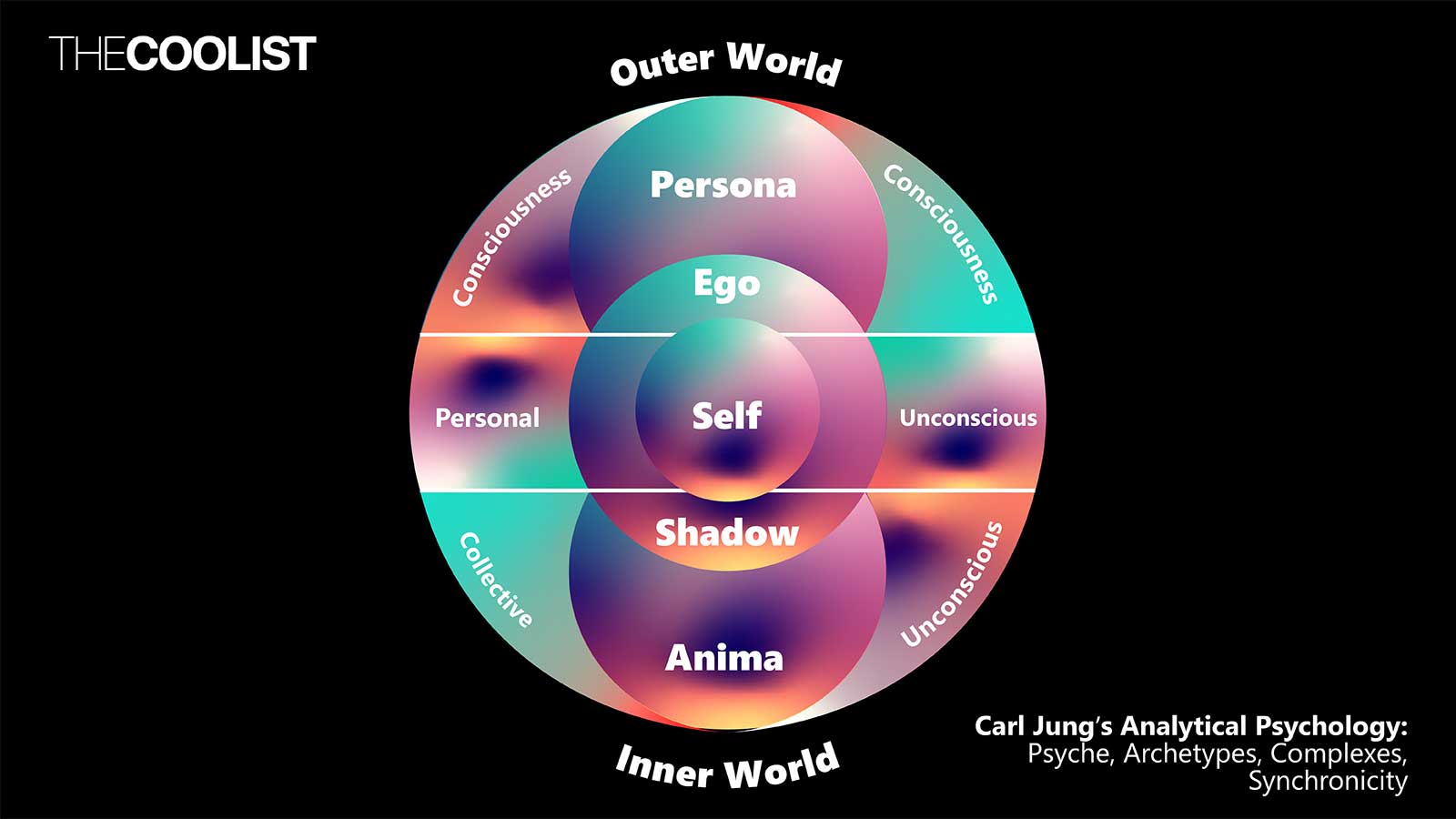
Jung classified these archetypes the Self, the Character, the Darkness and the Anima/Animus. It hides our real self and Jung defines it as the "conformity" archetype.
The term stems from the Greek word for the masks that ancient stars utilized, representing the duties we play in public. You can consider the Persona as the 'public relationships depictive' of our vanity, or the product packaging that provides our ego to the outdoors. A well-adapted Persona can considerably add to our social success, as it mirrors our true characteristic and adapts to different social contexts.
An instance would be an educator who continually treats everybody as if they were their students, or someone that is overly authoritative outside their work environment. While this can be irritating for others, it's even more bothersome for the private as it can result in an insufficient understanding of their complete individuality.
Sustaining Growth After Trauma therapy
This generally causes the Persona including the more socially appropriate qualities, while the much less desirable ones enter into the Darkness, one more vital part of Jung's character concept. One more archetype is the anima/animus. The "anima/animus" is the mirror picture of our biological sex, that is, the subconscious feminine side in males and the manly tendencies in women.
For example, the sensation of "love prima facie" can be explained as a male forecasting his Anima onto a female (or vice versa), which brings about an immediate and intense tourist attraction. Jung recognized that supposed "masculine" traits (like freedom, separateness, and hostility) and "feminine" characteristics (like nurturance, relatedness, and compassion) were not confined to one sex or above the various other.
Why Remote Trauma Therapy Works
This is the animal side of our character (like the id in Freud). It is the source of both our innovative and destructive powers. According to transformative concept, it might be that Jung's archetypes reflect proneness that when had survival value. The Shadow isn't simply negative; it gives depth and equilibrium to our personality, reflecting the concept that every element of one's individuality has a compensatory equivalent.
Overemphasis on the Persona, while overlooking the Shadow, can lead to a surface individuality, preoccupied with others' understandings. Shadow components typically materialize when we project disliked qualities onto others, serving as mirrors to our disowned elements. Involving with our Shadow can be challenging, but it's vital for a well balanced individuality.
The Foundation for Safe Trauma Processing
This interaction of the Identity and the Shadow is usually checked out in literary works, such as in "Dr. Jekyll and Mr. Hyde", where characters face their double natures, even more highlighting the compelling nature of this element of Jung's concept. There is the self which provides a feeling of unity in experience.
That was definitely Jung's idea and in his publication "The Undiscovered Self" he suggested that many of the problems of modern-day life are triggered by "male's progressive alienation from his instinctual foundation." One aspect of this is his sights on the value of the anima and the bad blood. Jung suggests that these archetypes are items of the collective experience of guys and females cohabiting.
For Jung, the result was that the full emotional development both sexes was weakened. With each other with the dominating patriarchal society of Western civilization, this has actually caused the devaluation of womanly high qualities completely, and the predominance of the persona (the mask) has raised insincerity to a lifestyle which goes unquestioned by millions in their day-to-day life.
Each of these cognitive features can be shared mostly in a shy or extroverted kind. Let's delve deeper:: This duality is concerning just how people make choices.' Believing' people choose based upon logic and objective factors to consider, while 'Really feeling' individuals make choices based upon subjective and individual values.: This duality issues just how individuals view or collect info.

Latest Posts
Taking the First Step through Multilingual Mental Health Support
When Communication Style Affects in Therapy Sessions
Frustration Over Division of Labor